
The Mythical Unicorn: Scotland's Enigmatic National Animal Explained
Scotland’s national animal is unlike any other country’s symbol. Instead of a lion, eagle, or bear, Scotland chose the unicorn—a creature of myth and legend. This choice sparks curiosity: why would a nation adopt a mythical beast as its emblem? The story behind the unicorn’s place in Scottish heritage reveals deep roots in history, symbolism, and national identity.

The Unicorn’s Symbolism in Scottish Culture
The unicorn has long symbolized purity, strength, and freedom. In medieval Europe, it was believed to be a wild, untamable creature that could only be captured by a virgin. This image resonated with Scotland’s self-image as a fierce and independent nation.
Purity and Innocence: The unicorn’s association with purity made it a fitting emblem for a country proud of its noble ideals.
Strength and Power: Despite its delicate appearance, the unicorn was seen as a powerful beast, symbolizing the strength of the Scottish people.
Freedom and Independence: The unicorn’s wild nature reflected Scotland’s desire to remain free from external control.
These qualities made the unicorn a powerful symbol during times when Scotland sought to assert its identity against larger powers.
Historical Origins of the Unicorn as a Scottish Emblem
The unicorn first appeared in Scottish heraldry during the 12th century. It gained prominence under King William I, also known as William the Lion, who ruled from 1165 to 1214. The unicorn was used on royal seals and coats of arms, representing the king’s authority and the nation’s spirit.
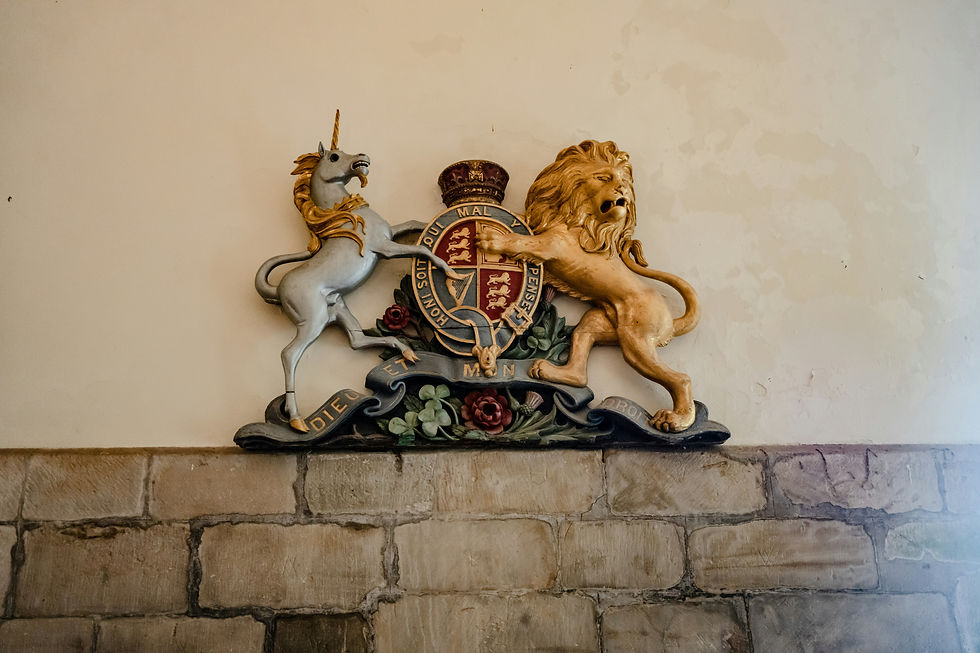
The most famous use of the unicorn came after the 1603 Union of the Crowns, when James VI of Scotland also became James I of England. The royal coat of arms combined the English lion with the Scottish unicorn, symbolizing the union of the two kingdoms.
The lion represented England’s strength and monarchy.
The unicorn stood for Scotland’s wild spirit and independence.
This pairing highlighted the balance between unity and distinct national identities.
The Unicorn in Scottish Myth and Legend
Scottish folklore is rich with stories about unicorns. They are often depicted as elusive creatures living in the Highlands, embodying mystery and magic. Some legends say unicorns could only be caught by those pure of heart, reinforcing their connection to virtue.
One famous tale tells of a unicorn trapped by a maiden, symbolizing the taming of wild forces through innocence and kindness. This story parallels Scotland’s historical struggles and triumphs, where resilience and moral strength played key roles.
The Unicorn’s Role in Modern Scotland
Today, the unicorn remains a proud symbol of Scotland. It appears on the royal coat of arms used by the Scottish government and is featured in various official emblems and logos. The unicorn also inspires art, literature, and tourism, connecting people to Scotland’s rich heritage.
Government and Royal Use: The unicorn is part of the Scottish Royal Coat of Arms, often shown chained, symbolizing the power of the monarchy to control even the wildest forces.
Cultural Impact: Artists and writers continue to explore the unicorn’s symbolism, keeping the legend alive.
Tourism: Visitors to Scotland often seek out unicorn imagery, from statues to souvenirs, embracing the mythical connection.
Why Scotland Chose a Mythical Creature
Choosing a mythical animal as a national symbol is unusual but fitting for Scotland. The unicorn represents ideals that go beyond physical reality. It captures the spirit of a nation that values freedom, courage, and mystery.
The unicorn’s untamable nature reflects Scotland’s history of resisting domination.
Its association with purity aligns with the country’s cultural values.
The mythical aspect adds a layer of romance and legend that strengthens national pride.
This choice shows how symbols can express identity in ways that facts alone cannot.
What the Unicorn Means for Scotland’s Identity Today
The unicorn reminds Scots of their unique heritage and the qualities that define their nation. It encourages pride in independence and a connection to history that is both real and imagined.
For those interested in Scottish culture, the unicorn offers a window into the country’s soul. It invites exploration of stories, art, and traditions that shape Scotland’s character.
Why not explore Scotland further with a private tour or a self-drive itinerary at www.myscottishtour.com?


Comments