
Exploring the Deep Cultural Ties Between Scotland and Ireland This St Patrick's Day
St Patrick's Day is often seen as a celebration of Irish culture, but the connections between Ireland and Scotland run deep and are worth exploring. These two Celtic nations share centuries of history, language, traditions, and customs that continue to influence each other today. Understanding these links enriches the way we celebrate St Patrick's Day and highlights the shared heritage that unites Scotland and Ireland.

Shared Celtic Origins and Language
Both Scotland and Ireland belong to the Celtic cultural group, which dates back thousands of years. The Gaelic language, in its Irish and Scottish forms, is a key part of this shared heritage. Scottish Gaelic and Irish Gaelic are closely related languages, with many similarities in vocabulary and grammar. This linguistic bond reflects a common ancestry and ongoing cultural exchange.
Gaelic Revival: Both countries have seen efforts to revive and preserve Gaelic languages in recent decades. Schools, media, and cultural events promote Gaelic, strengthening ties between the two nations.
Place Names: Many place names in Scotland and Ireland have Gaelic roots, revealing the historical spread of Celtic culture across both lands.
This shared language heritage is a living connection that continues to shape identity and cultural pride in both Scotland and Ireland.
Historical Connections and Migration
The history of Scotland and Ireland is intertwined through migration, trade, and political alliances. Early settlers moved between the two islands, bringing with them customs and traditions that blended over time.
Dalriada Kingdom: Around the 6th century, the kingdom of Dalriada spanned parts of western Scotland and northeastern Ireland. This kingdom played a crucial role in spreading Christianity and Gaelic culture in Scotland.
Migration Waves: Over centuries, many Irish people migrated to Scotland, especially during times of famine and economic hardship. This migration influenced Scottish culture, particularly in the Lowlands and urban centers like Glasgow.
Shared Saints: St Patrick himself has connections to Scotland. Some traditions suggest he was born in Roman Britain and traveled through Scotland before reaching Ireland. Other saints, such as St Columba, also link the two countries through religious history.
These historical ties show how Scotland and Ireland have shaped each other's development through shared experiences and movement of people.
Music, Dance, and Festivals
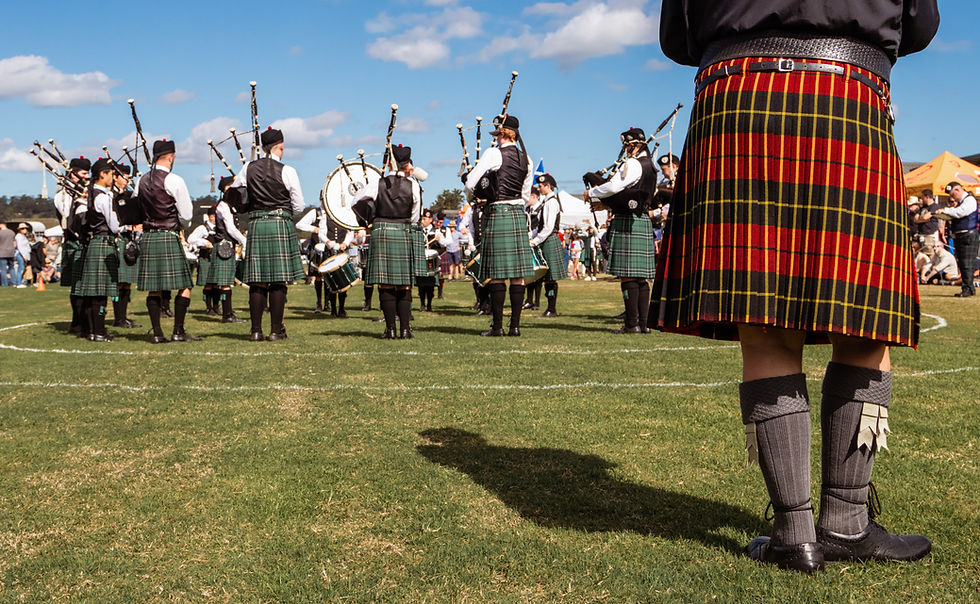
Music and dance are vibrant expressions of the cultural links between Scotland and Ireland. Both countries have rich traditions of folk music that share instruments, tunes, and styles.
Instruments: The bagpipes are iconic in Scotland but also have a presence in Irish music. The bodhrán, a traditional Irish drum, complements Scottish percussion in many folk sessions.
Dance Forms: Irish step dancing and Scottish Highland dancing have distinct styles but share rhythmic footwork and storytelling through movement.
Festivals: St Patrick's Day celebrations in Scotland often include Irish music and dance, reflecting the close cultural relationship. Cities like Glasgow and Edinburgh host parades and events that bring together Scottish and Irish communities.
These shared artistic traditions keep the cultural dialogue alive and allow people on both sides to celebrate their common roots.
Culinary Traditions and Shared Dishes
Food is another area where Scotland and Ireland show their cultural connections. While each country has unique dishes, many traditional foods overlap or have similar origins.
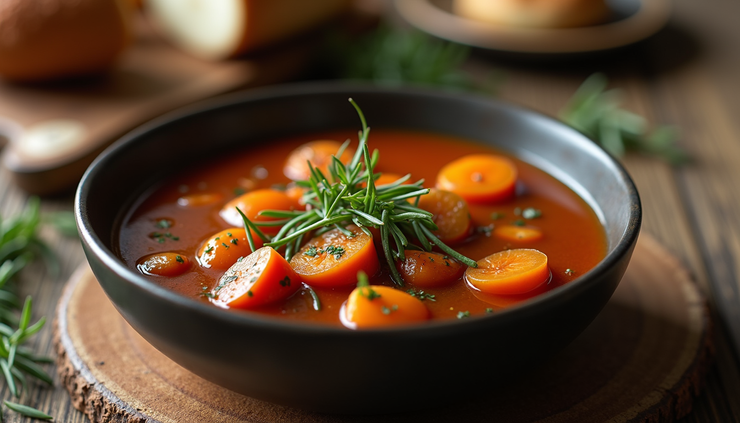
Seafood and Stews: Both countries rely on fresh seafood and hearty stews, reflecting their coastal and rural histories.
Soda Bread and Bannocks: Irish soda bread and Scottish bannocks are similar types of quick breads made with simple ingredients, often enjoyed during festive occasions.
Whisky and Whiskey: The spelling difference between Scottish whisky and Irish whiskey highlights their distinct production methods, but both are celebrated spirits with global reputations.
Sharing meals and drinks during St Patrick's Day events in Scotland often includes these traditional foods, emphasizing the culinary ties that complement cultural celebrations.
Modern Connections and Community
Today, the links between Scotland and Ireland continue through family ties, cultural organizations, and shared celebrations. Many people in Scotland have Irish ancestry, and Irish culture remains a vibrant part of Scottish life.
Community Groups: Irish cultural societies in Scotland organize events, language classes, and music sessions that keep traditions alive.
Sports: Gaelic games, including hurling and Gaelic football, have clubs in Scotland, connecting players and fans across the two countries.
St Patrick’s Day Events: Scottish cities celebrate St Patrick's Day with parades, concerts, and festivals that highlight the shared heritage and invite participation from all communities.
These modern connections show that the relationship between Scotland and Ireland is not just historical but a living, evolving bond. Explore Scotland today at www.myscottishtour.com.


Comments